The right ergonomic setup should adapt to your body, support frequent movement, and stay comfortable through a full workday.
A massage office chair can also be an ergonomic chair. The useful distinction is between an optional comfort feature and a chair that fits your body and desk. Choose fit first: supported feet, usable seat depth, comfortable back support, and armrests that let you work with relaxed shoulders. Then decide whether massage and heat add enough value for your routine.
That question feels timely after HBADA announced its fifth-generation E3 Ultra on November 3, 2026. Its launch press release highlights tracking support and heated massage. This is a manufacturer's announcement, not an independent assessment of comfort or health outcomes.
Published November 4, 2026. This guide is published by OdinLake and compares publicly listed specifications, not hands-on test results. Product details can change.
What shoppers actually want to know
In a public Reddit office-chair discussion, a shopper asks whether massage and heating hardware might affect comfort when switched off. It is a useful buying question, not evidence that these features help or hurt everyone. One community thread cannot establish a market trend.
Turn that concern into a practical test: sit with the extras off, reach your keyboard, lean back, and change position. Does the chair remain comfortable? Can you adjust it without repeatedly interrupting work? A feature you enjoy for a short break should not make the chair less suitable for the rest of your day.
What research on massage chairs can—and cannot—tell you
A 2023 randomized clinical trial published in Heliyon enrolled 60 adults, with 58 completing six weeks. The intervention added 20-minute sessions using a different massage-chair model and a specified treatment mode to basic physical treatments, twice weekly. The authors reported improvements in neck pain and disability compared with the control group.
That finding concerns a particular treatment protocol. It did not test the HBADA E3 Ultra or OdinLake L3, and it does not show that adding massage to an everyday desk chair will produce the same results. Treat therapeutic language in product advertising separately from evidence about the exact product and how it is used.
Check ergonomic fit before comparing extras
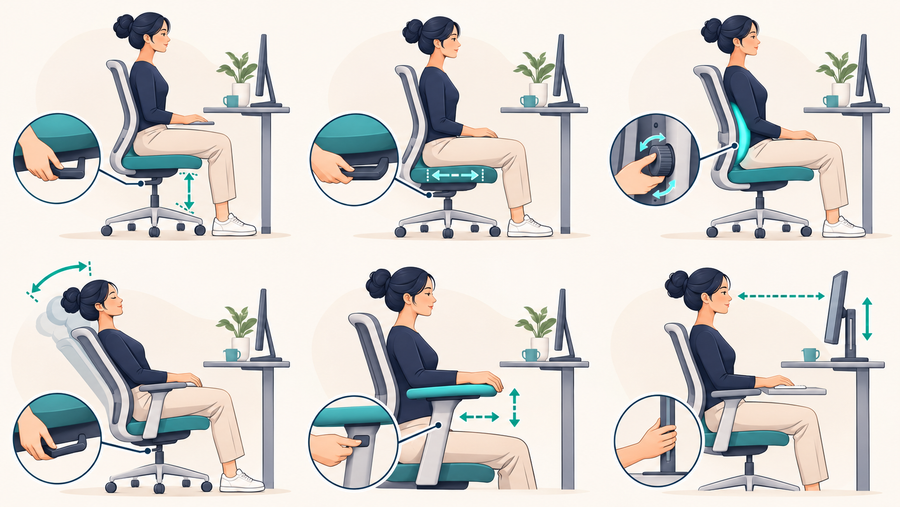
OSHA's workstation chair guidance emphasizes fitting the chair to the user and the surrounding workstation. For a home office, use this short checklist:
- Feet: Can you place them on the floor or a suitable footrest at your working height?
- Seat: Can you sit back against the backrest without the front edge pressing behind your knees?
- Back: Does the support feel comfortable where your body needs it, including when you change position?
- Arms: Can your shoulders relax while your elbows stay close to your body?
- Desk: Can you reach the keyboard and mouse without leaning forward or lifting your shoulders?
Overall height recommendations are only a starting point. Two people of the same height can have different leg and torso proportions. Use our office chair size guide to connect measurements with your actual workspace.
HBADA E3 Ultra Gen5 vs OdinLake L3: published specifications
The table compares the current U.S. HBADA listing with the OdinLake L3 listing, checked November 4, 2026. These are different feature packages; specifications alone do not establish which will feel better.
| Feature | HBADA E3 Ultra Gen5 | OdinLake L3 |
|---|---|---|
| Massage and heat | Built-in heated massage | Not offered in the listed configuration |
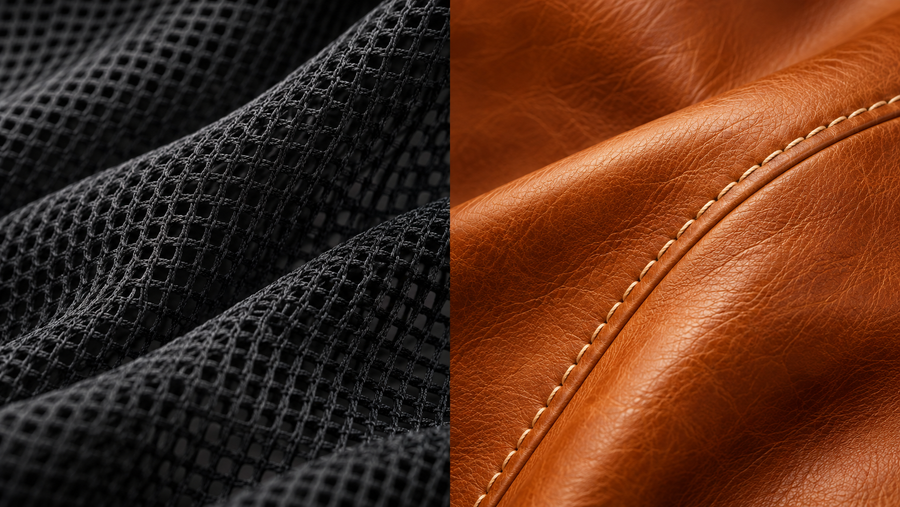
| Seat options | Mesh | FlexBreath mesh or CozyCloud foam |
| Armrests | Multi-adjustable, marketed as 8D | Flip-up / flip-back design |
| Maximum listed recline | 150° | 140° |
| Listed weight capacity | 300 lb | 350 lb |
| Suggested user height | 5′1″–6′3″ | 5′3″–6′2″ |
HBADA's published package offers integrated massage and heat, plus more directions of armrest adjustment. Those may matter if they match your preferences. L3 offers a choice of seat materials and a different armrest approach. Its higher listed capacity does not, by itself, prove better comfort or durability.
Neither a larger recline angle nor a longer feature list resolves desk fit. Check the selected version's dimensions, controls, and return conditions before ordering. Compare current delivered prices for the configurations you would actually buy, rather than mixing launch offers with another chair's regular price.
A simple way to make the decision
Start with three non-negotiables from your workspace: perhaps a seat height that works with your desk, arms that clear the desktop, and a material you like. Eliminate chairs that cannot meet those needs. Then compare optional features within your budget.
If integrated massage and heating are priorities, include the E3 Ultra in your shortlist. If you prefer choosing between mesh and foam and want flip-up arms, explore the OdinLake L3. Our mesh-versus-foam buying guide can help you evaluate that preference. Review the return policy before purchasing.
Whatever you choose, plan for movement. OSHA's workstation checklist includes varying tasks and taking short breaks. A comfortable chair does not remove the need to change position during the day.
Frequently asked questions
Is a massage office chair automatically ergonomic?
No. Massage describes a feature. Ergonomic suitability depends on whether the chair supports your body, adjusts to you, and works with your desk and tasks.
Should I choose mesh or foam?
Compare the feel, support, and dimensions of the specific seat. Material names alone cannot predict your comfort. If possible, try both under the seller's stated trial or return conditions.
Can these chairs treat back or neck pain?
This comparison does not establish that either chair treats a medical condition. Persistent or worsening symptoms deserve advice from a qualified clinician rather than a purchase based on marketing claims.