Picking out a desk chair turns out to be way tougher than it looks. You sit down to shop, and right away you run into a wall: do you go for the plush recliner, or do you shell...
The right ergonomic setup should adapt to your body, support frequent movement, and stay comfortable through a full workday.
Picking out a desk chair turns out to be way tougher than it looks. You sit down to shop, and right away you run into a wall: do you go for the plush recliner, or do you shell out for the heavily engineered ergonomic model? Sure, both keep you up off the floor. But they pull off totally different jobs. A reclining chair lets you stretch out and wind down. An ergonomic chair, though? It locks your body into a healthy posture, so you actually make it through an eight-hour shift without back pain.
Let’s break down what sets these two apart and figure out which one really belongs at your desk.
What Is a Reclining Office Chair?
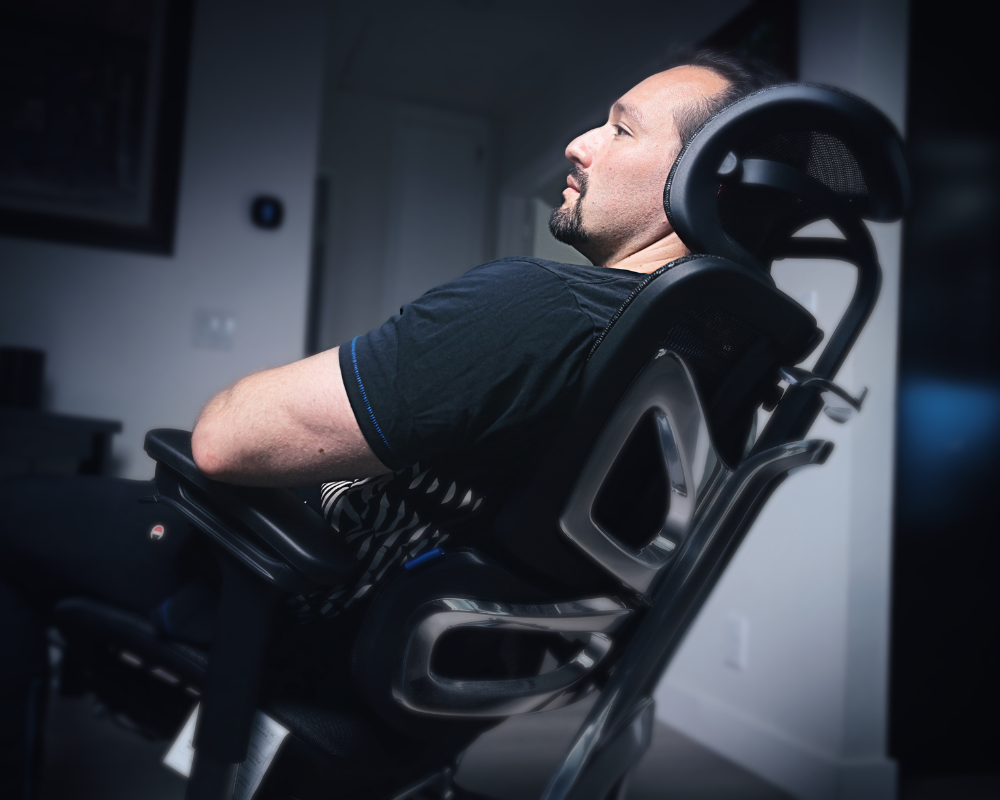
Standard desk chairs force your spine into a stiff, rigid line all day long. Reclining models throw that outdated rulebook right out the window. You get to lean back. You decide the exact angle of the backrest, letting you shift effortlessly between typing up a report and just catching your breath. Manufacturers usually load these chairs up with heavy-duty comfort upgrades. We are talking about wildly thick seat cushions, padded headrests, and pop-out footrests that basically turn your workspace into a makeshift lounge.
Comfort runs the entire show here. Remote workers and executives absolutely eat these things up. Who wouldn't want a built-in way to kick their feet up for a five-minute breather without actually walking away from the keyboard?

Main Benefits
-
Adjustable angles let you switch up your seating position instantly.
-
Thick padding boosts comfort during casual work or quick naps.
-
Optional footrests turn the chair into a makeshift lounge.
-
High backs support your neck and shoulders when you lean away from the screen.
Where You Usually See Them
-
Home offices
-
Executive suites
-
Workspaces that double as gaming or reading stations
-
Casual environments where people take frequent breaks
What Is an Ergonomic Chair?
An ergonomic chair actively supports your body's natural posture over long stretches of time. This is especially important for maintaining good sitting posture for lower back pain, as proper alignment reduces pressure on the spine and prevents long-term discomfort. It ignores pure relaxation. Instead, this chair prioritizes spinal alignment, firm support, and a dozen tiny adjustments that stop your neck and lower back from screaming at the end of the day.
Corporate offices buy these in bulk for a reason. They build healthier sitting habits and actively fight the fatigue that comes from staring at a monitor all day.

Main Benefits
-
Adjustable lumbar support protects your lower back.
-
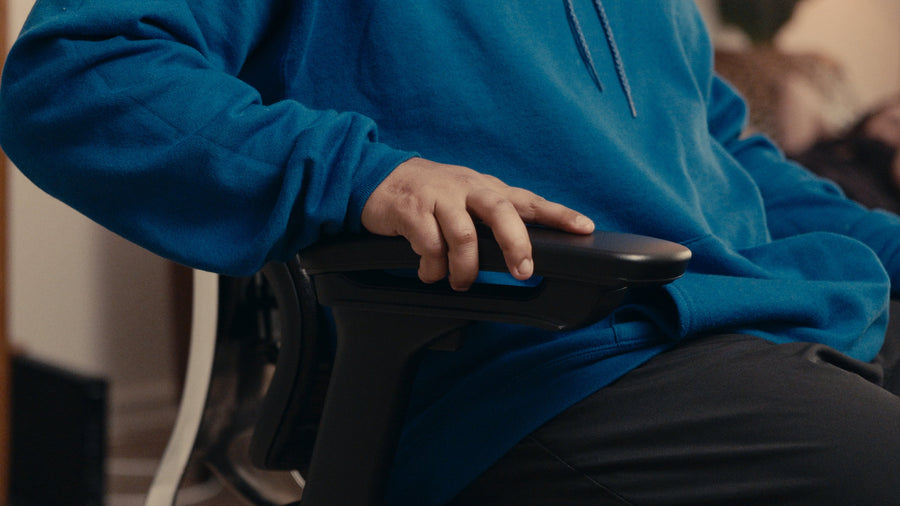
Moveable seat pans and armrests fit the chair perfectly to your frame.
-
Firm structures improve your posture automatically.
-
Targeted support reduces strain on your spine, shoulders, and neck.
Where You Usually See Them
-
Corporate offices and professional workstations
-
Remote work setups built for heavy daily use
-
Programmer, editor, and designer desks
-
Any environment where posture matters more than napping
Head-to-Head: The Real Differences
They might both have wheels and a backrest, but manufacturers build these chairs with entirely different goals. Understanding the gap between them saves you from a costly mistake.
The End Goal
A reclining chair basically just wants you to kick back. You get total freedom to move about, lean back, and switch up your angle whenever the mood strikes. An ergo chair? It cares about keeping you healthy. The frame lines right up with the natural curve of your spine, locking you into a safe posture so you don't wreck your back.
Moving Parts and Adjustments
Recliners really only pull off one main trick: they lean back. You hit a lever, the backrest drops down, and a footrest might kick out. Beyond that? You pretty much get what you get.
Ergonomic chairs are machines. They offer a massive range of tweaks:
-
Lumbar support height and depth
-
Armrest height, width, and angle
-
Seat height
-
Seat pan depth
-
Tilt tension resistance
You customize an ergonomic chair until it feels like someone custom-built it for your exact body shape.
Softness vs. Support
Recliners feel soft and forgiving. They work perfectly for kicking back. Ergonomic chairs often feel surprisingly firm when you first sit down. That firmness provides the structured support your lower back needs to survive a long shift. When lumbar support is positioned correctly—right at the natural inward curve of your lower spine—it helps maintain good sitting posture for lower back pain and reduces fatigue over time.
How Far Can You Lean?
Reclining office chairs take tilting to the extreme. Some drop back to 160° or even 180°, basically turning into a bed. Ergonomic chairs cap your tilt. Most stop somewhere between 100° and 135°. This limit keeps you balanced and promotes an active sitting stance rather than a sleepy one. Ever try typing an email while practically lying flat? It doesn't work well.
Price Tags
Recliners spend their budget on thick foam and footrests, making them fairly affordable. Ergonomic chairs cost more because companies spend years engineering the complex lumbar and adjustment mechanisms.
Quick Comparison
|
Feature |
Reclining Office Chair |
Ergonomic Chair |
|
Main Goal |
Relaxation and flexibility |
Posture support and health |
|
Tilt Range |
Massive (120°–180°) |
Restricted (100°–135°) |
|
Adjustability |
Very basic |
Highly customizable |
|
Feel |
Soft and plush |
Firm and structured |
|
Ideal For |
Casual work and resting |
Heavy computer work |
|
Target Audience |
Home users, executives |
Office professionals, coders |
Making the Call: Which Should You Buy?
If you sit at your desk for six to ten hours a day, buy an ergonomic chair. Period.
A plush recliner feels great for the first twenty minutes. After four hours, your lower back will beg for real support. Ergonomic chairs force your spine into proper alignment. They adapt to your desk height, support your lower back, and prevent the nasty shoulder strain that ruins your evening.
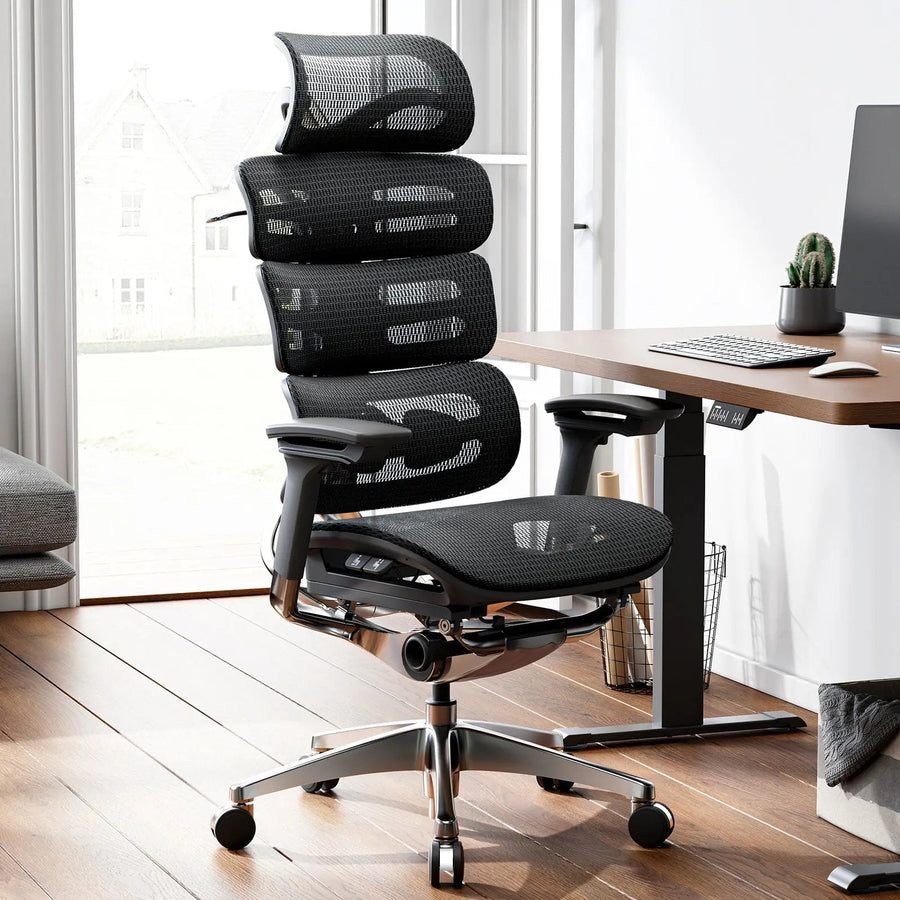
Take the OdinLake O2 as a solid benchmark. It features a three-section backrest, adjustable back height, and three distinct levels of lumbar support. You fit the chair exactly to your spine. It uses breathable mesh so you do not sweat, and it still packs a 135° tilt when you need to stretch. You get the healthy posture without losing all your flexibility.
If you are looking for a more advanced option, the OdinLake O3 is another strong example of a modern ergonomic chair. It is designed specifically for long hours of desk work, offering refined lumbar support, a high-back structure, and flexible recline that lets you stretch without losing proper posture. For users who want a balance between structured support and everyday comfort, the O3 fits naturally into that role.
An ergonomic chair easily wins the investment game when you work long shifts, battle existing back pain, or need a workstation built for intense focus.
Conclusion
Reclining office chairs and ergonomic chairs differ mainly in three areas: purpose, adjustability, and usage. Reclining chairs focus on relaxation and flexible seating positions, while ergonomic chairs are designed to support posture during long working hours. Reclining models suit casual or home offices, whereas ergonomic chairs are better for people who spend many hours at a desk.
If long-term comfort and posture support are your priority, an ergonomic chair—such as those offered by OdinLake—can provide better adjustability and back support for daily work. Ultimately, the right choice depends on your work habits and how you prefer to sit throughout the day.
FAQ
How does a reclining office chair handle an eight-hour workday?
It handles short bursts of work beautifully. However, it lacks the firm, targeted lumbar support your body requires for a full shift. Your lower back will likely start aching by mid-afternoon.
Will an ergonomic chair fix my back pain?
Manufacturers specifically build ergonomic chairs to follow the natural curve of your spine. By adjusting the lumbar support and seat height to fit your body, you take a massive amount of daily pressure off your lower back and shoulders.
Do ergonomic chairs tilt back at all?
Yes, but they restrict the movement. Most tilt up to about 135°. This prevents you from ruining your posture while still letting you shift your weight and stretch your legs.
Which chair works best for a home office?
Look at your actual schedule. If you sit at that desk for a strict eight-hour work block, buy the ergonomic chair. If you work a few hours and then use the room to watch movies or relax, grab the reclining chair.
Are reclining chairs actually more comfortable?
They feel softer immediately because they use thick padding and let you sink in. Ergonomic chairs feel firmer because they hold your bones in place, which actually provides much better comfort over a long workday.