Cable controls and traditional chair levers both adjust an office chair. Learn how each design works, where controls are placed, and how OdinLake O3 and L3 compare.
The right ergonomic setup should adapt to your body, support frequent movement, and stay comfortable through a full workday.
Adjusting an office chair should be simple. Yet many of us have reached beneath a seat, found two or three controls, and wondered which one changes the height and which one releases the recline. Both traditional levers and cable controls operate chair adjustments, but they give you different ways to reach and use those controls.
How Traditional Chair Levers Work
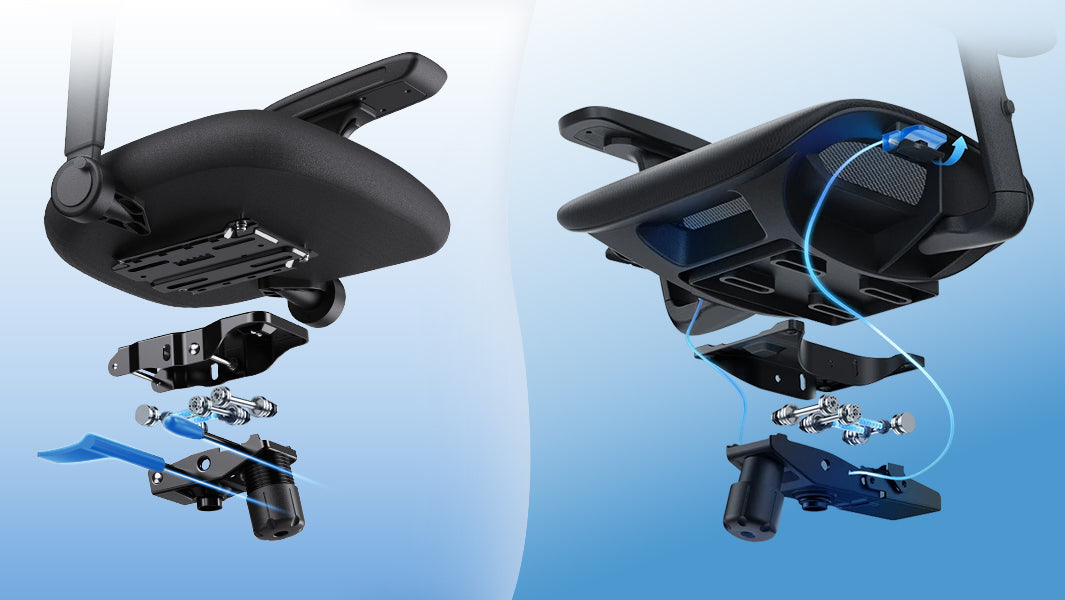
A traditional chair lever sits near the mechanism it operates, usually beneath the seat. Pulling or moving the lever lets you change a setting such as seat height or recline. It is a familiar approach: most people who have used an office chair already know to look under the seat for its controls.
That familiarity is its biggest strength. Traditional levers are straightforward, and once you know where each one sits, you can make an adjustment without learning a new control layout. Their position can also be their drawback. You may have to bend down or feel around beneath the seat to find the right lever, especially on a chair with several adjustments.
How Cable Controls Work
A cable control separates the place you touch from the mechanism it operates. When you move a paddle or another control, a cable carries that action to the mechanism inside the chair. This gives designers more freedom to put controls where your hands can reach them.
Easier access is the main advantage. If the controls sit beside your arms rather than beneath the seat, you can change settings while seated without searching for a lever. The trade-off is that a new layout may take time to learn. Cable controls also add cables and connections to the system, so their design and upkeep depend on those components as well as the controls you touch.
Which Control Style Is Better?
Neither approach makes a chair more ergonomic on its own. Traditional levers offer a familiar way to make adjustments. Cable controls can make those adjustments easier to reach. What matters in daily use is where the controls are placed, whether you can tell them apart, and how often you want to change your settings.
If you find your preferred seat height and recline position once and rarely touch the controls again, traditional levers may suit you well. If you regularly move between upright work and a more relaxed position, controls within reach may make those changes feel easier.
How OdinLake Uses Both Approaches
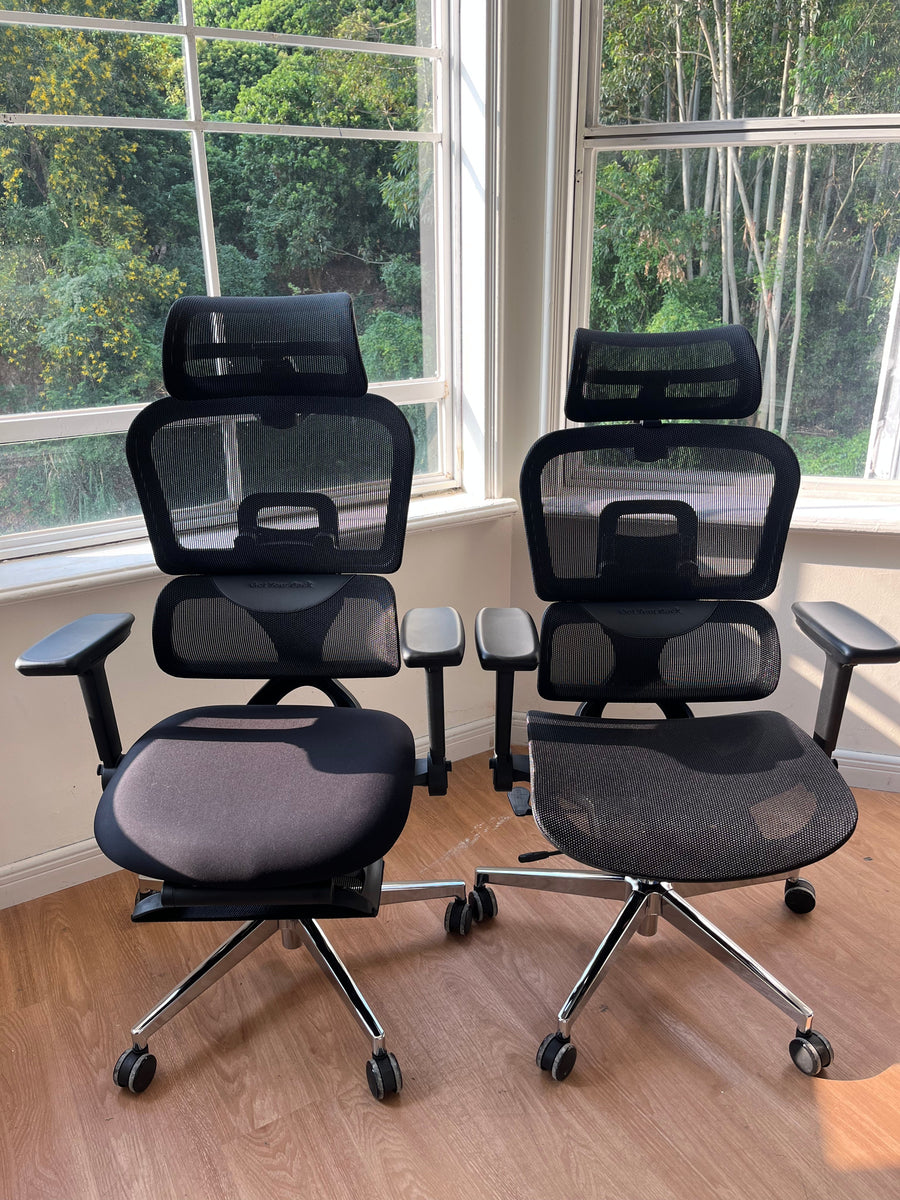
The OdinLake O3 brings cable controls to the armrests through its WireControl™ system. Paddle-style controls beneath the armrests let you adjust the chair’s seat height and recline without reaching under the seat. That placement is especially useful if you like changing positions during the day. The paddles may feel different from the levers you are used to, but after learning what each one does, the controls are close at hand.
The OdinLake L3 uses traditional adjustment levers beneath the seat. They provide a familiar way to set your seat height and recline position. You will need to reach below the seat to use them, but if you tend to find a comfortable setup and keep it, that may be a small trade-off.
The Best Controls Are the Ones You’ll Use
A chair can offer plenty of adjustments, but those features only help when you use them. O3 and L3 take different approaches to the same goal: making it possible to find a position that fits you and change it when your day changes. The right control style is the one that feels natural in the way you sit.