Quick answer
The right ergonomic setup should adapt to your body, support frequent movement, and stay comfortable through a full workday.
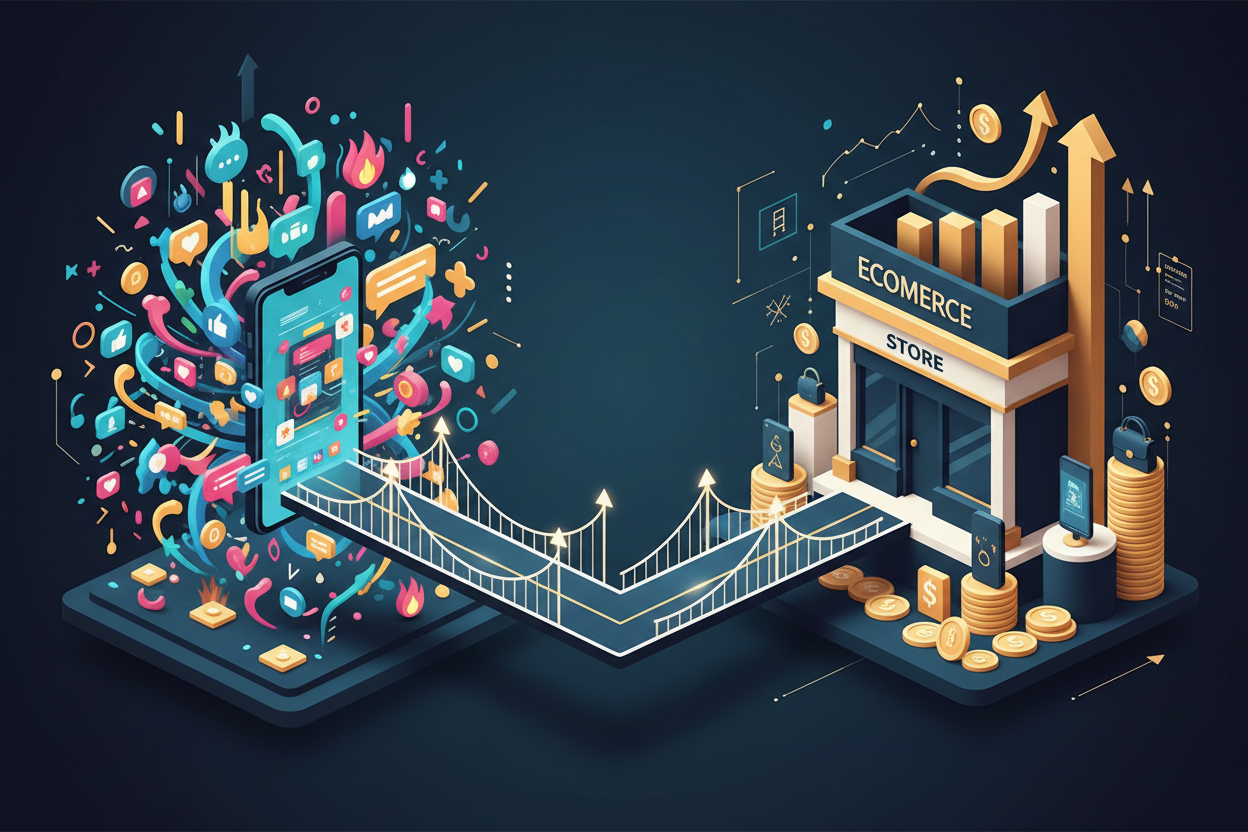
On social media platforms like TikTok and Instagram, a viral video hitting millions of views often creates the illusion of success, prompting many other brands to blindly follow suit. However, even with hundreds of "Where can I buy this?" comments, the reality is that these impressions rarely materialize into actual sales on the financial bottom line—a frustrating reality known as the Ecommerce Conversion Gap.
This sharp contrast between "high impressions and low conversion" stems fundamentally from a deep mismatch between the aesthetic preferences of content creators and the actual purchasing intent of paying customers. To build a sustainably profitable DTC brand, companies must shift their product R&D focus from "winning the visual game on social media" to "solving real customer pain points."
This sharp contrast between "high impressions and low conversion" stems fundamentally from a deep mismatch between the aesthetic preferences of content creators and the actual purchasing intent of paying customers. To build a sustainably profitable DTC brand, companies must shift their product R&D focus from "winning the visual game on social media" to "solving real customer pain points."
Deconstructing the Conversion Disconnect: Visual Pleasure vs. Pain-Relief Utility
The huge disconnect between influencer marketing and customer sales manifests across two critical consumer psychology touchpoints:
Discovery Phase: Studio Camera Aesthetics vs. Search Intent
Social media algorithms tend to favor videos featuring minimalist or tech-forward aesthetics that deliver visual impact within the first 3 seconds. However, a customer genuinely looking to buy a good office chair with wallet in hand rarely searches for generic terms like "pretty office chair." Instead, buyers with high purchasing intent search for specific, problem-oriented long-tail terms like "best office chair for severe lower back pain" or "how to relieve neck fatigue at work."
Of course, there are plenty of "pretty chairs" out there, but when customers see a pretty chair, it merely gets added to a long list of choices. This forces the product into further competition and extends the buyer journey indefinitely. If a product sacrifices functional design solely for visual appeal, it is destined to miss out on this high-converting, targeted traffic.
Experience Phase: Short-Term Unboxing vs. Long-Term Evaluation
An influencer’s evaluation of a product ends permanently the moment filming stops. Their sole focus is whether the product serves as an attractive background piece for their studio aesthetic. In fact, they may never even consider buying the product themselves—they are paid to review it.
A paying customer, by contrast, needs to sit in that chair for 8 to 10 hours every single day. If a viral hit lacks proper ergonomic support and structural stability, short-term unboxing excitement will quickly turn into bad reviews, high refund rates, and a devastating blow to brand trust.
Case Study: How OdinLake Bridges the Conversion Gap
Bridging the conversion gap does not mean abandoning visual appeal; it means using a product's industrial aesthetics to intuitively communicate the engineering strength behind it. At OdinLake, product R&D revolves around a core principle: balancing creator-friendly visuals with customer-first utility.
-
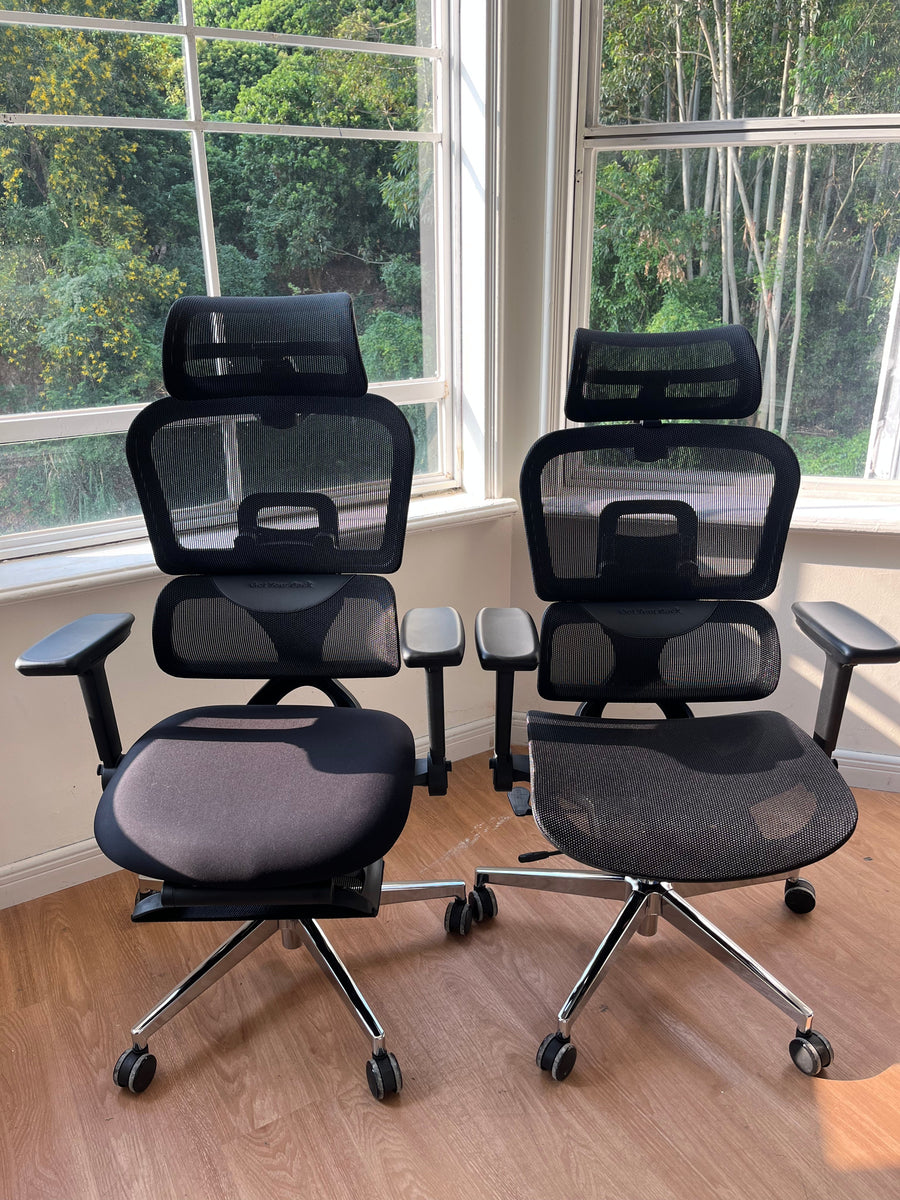
Transforming Functional Design into Intuitive Pain-Relief Cues (The OdinLake L1): Great design does not require stripping away support structures for minimalism. The OdinLake L1 integrates dynamic tracking lumbar support with intuitive paddle controls, giving it a high-tech silhouette that naturally looks great on camera. This satisfies creator visual requirements while clearly transmitting a subtle "this chair relieves back pain" psychological cue to prospective buyers, drastically reducing refund risks.
-
Elevating Luxury Aesthetic into Rational Health Investment (The OdinLake O2): For high-ticket products, pretty imagery alone can rarely convince rational buyers. Designed for executives and core creators sitting 10+ hours a day, the flagship OdinLake O2 features a 3-section split backrest and precision 4D armrests. Its mechanical, industrial aesthetic delivers a striking camera impact, but its true commercial value lies in providing verifiable spinal protection, successfully converting quick visual impulse into a rational, long-term health investment.
-
Securing Brand Trust Through Hidden Quality Details: Viral products are most commonly criticized for hidden quality flaws like wobbling or squeaking. OdinLake addresses this at the foundational engineering level by employing heavy-duty dual-frame structures and silent sleeve casters. These invisible stability and noise-reduction refinements signal solid craftsmanship in video reviews while ensuring a quiet, reliable premium experience during daily deep work—turning one-time buyers into long-term brand advocates.
Strategic Blueprint: Restructuring R&D Around Real Conversions
To build a high-ROI product line that attracts creator exposure while compelling customers to eagerly purchase, ecommerce brands should execute these three core strategies:
-
R&D Driven by Pain-Point Data: Abandon the blind pursuit of social media trends. Start from reality and validate product features against actual, high-frequency user search queries from search engines.
-
Design for Long-Termism: Ensure the core value proposition can withstand months of high-intensity daily use, thereby reducing return rates and increasing Customer Lifetime Value (LTV).
-
Provide & Demonstrate "Solutions": Guide partner creators to dynamically demonstrate product features in their videos (e.g., showing the operation and adjustment of ergonomic mechanisms on camera) rather than using the product as a passive background prop.
Conclusion: Virality Drives Traffic, Utility Drives Profit
Social media virality gets a brand noticed, but functional utility makes it profitable. Influencers may bring casual browsers to your store entrance, but only products that solve real physiological pain points and usage friction can convert those browsers into loyal, paying customers. Only by tightly coupling product engineering with genuine user pain points—just as OdinLake does—can a brand achieve ultimate victory on both the social feed and the financial balance sheet.