The right ergonomic setup should adapt to your body, support frequent movement, and stay comfortable through a full workday.
Spending hours sitting at a desk can gradually change the way your body feels. A tight lower back, frequent stretching, or discomfort after standing up may seem like small issues, but they are often signs that your sitting habits need more attention. Age can play a role, but daily posture and support matter just as much.
Why Your Lower Back Matters More Than You Think
Your lower back does more than support your body weight. It helps stabilize your spine, supports movement, and plays a key role in maintaining posture throughout the day. When the muscles, joints, and ligaments around the lower back are under constant stress, discomfort can gradually become part of daily life. The challenge is that many of the habits causing this stress don't feel harmful in the moment. Over time, however, they add up.
Habit 1: The "Couch Slouch"
We've all done it. You sink into the couch after a long day, slide forward, and spend hours scrolling on your phone or watching TV. While it feels relaxing, this position often leaves the lower back unsupported. As the pelvis tilts backward, the natural curve of the spine flattens, increasing pressure on surrounding muscles and tissues.

Try This Instead
Use a cushion behind your lower back or sit in a chair that provides proper lumbar support.
Habit 2: Sitting for Hours Without Moving
Many people blame their chair for back pain. But often, the bigger problem is staying in the same position for too long. Even a good sitting posture becomes uncomfortable when maintained for hours at a time. Research consistently shows that prolonged sitting can contribute to muscle stiffness and increased discomfort in the lower back.
Try This Instead
Stand up, stretch, or walk around for a few minutes every hour. Movement is one of the simplest ways to reduce stress on the spine.
Habit 3: Crossing Your Legs All Day
Crossing your legs occasionally isn't a major problem. However, spending hours in this position can create uneven pressure through the hips and pelvis. Over time, this may contribute to muscle imbalances and postural discomfort.
Try This Instead
Keep both feet flat on the floor whenever possible and alternate positions regularly.
Habit 4: Sleeping on the Wrong Mattress
Your spine doesn't stop working when you sleep. A mattress that's too soft may allow the body to sink excessively, while one that's too firm may create pressure points that affect spinal alignment.
Try This Instead
Choose a mattress that supports the natural curves of your body without excessive sinking or stiffness.
Habit 5: Using a Chair That Doesn't Support Your Body
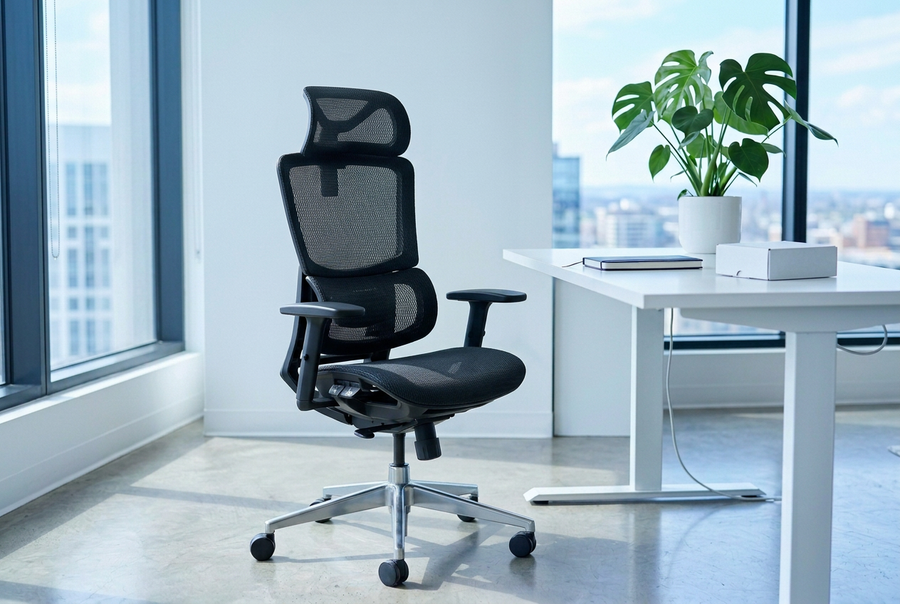
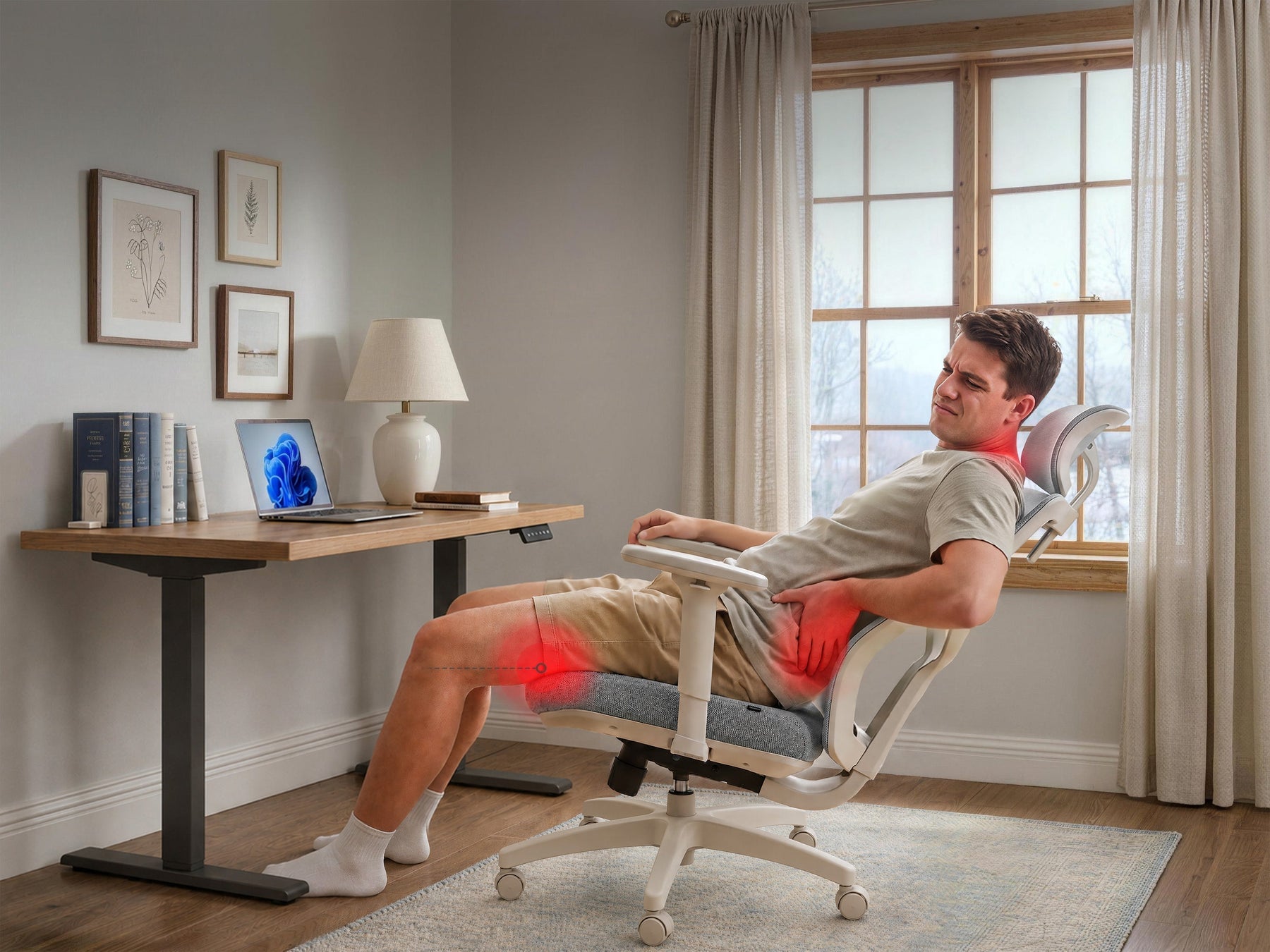
Many people spend hours researching the perfect desk setup, but they often forget about the one thing they actually use all day: their chair. A chair that's too low, too high, lacks lumbar support, or doesn't fit your body can force you into awkward positions without you even realizing it. Over time, this added strain can contribute to discomfort in the lower back, shoulders, and neck.

Try This Instead
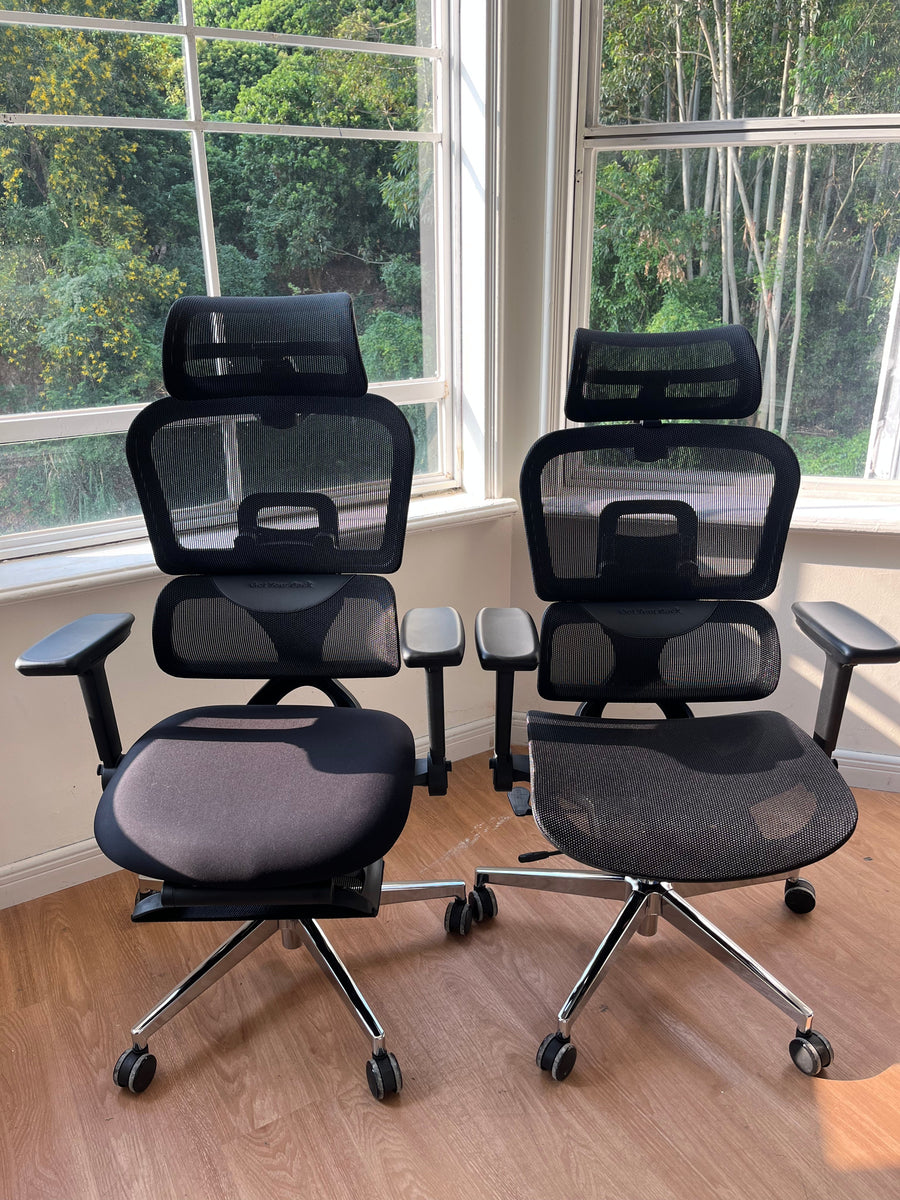
Choose a high-quality ergonomic chair that supports the natural curve of your spine, and make sure you set it up and use it correctly to get the full benefits. Proper lumbar support, adjustable seat height, armrests, and recline angle all play an important role in creating a more comfortable sitting experience.
Small Habits, Big Difference
Back pain rarely develops overnight. It's often the result of small habits repeated over time. Fortunately, small improvements can add up just as quickly. Healthier movement, better support, and a well-configured ergonomic workspace can help reduce strain on your body and make long hours of sitting more comfortable.