Office chair butt refers to the weakening and shrinking of the gluteal muscles caused by prolonged sitting with little movement. It goes beyond simple discomfort—this condition leads to poor posture and increased strain on the lower back due...
The right ergonomic setup should adapt to your body, support frequent movement, and stay comfortable through a full workday.
Office chair butt refers to the weakening and shrinking of the gluteal muscles caused by prolonged sitting with little movement. It goes beyond simple discomfort—this condition leads to poor posture and increased strain on the lower back due to inactive muscles that no longer support the pelvis properly. Even with an ergonomic desk with chair, extended periods of immobility can still contribute to muscle atrophy if not paired with regular movement.
This issue matters because gluteal weakness can cause posture problems such as anterior pelvic tilt and chronic lower back pain, creating a cycle of discomfort that reduces productivity and impacts long-term health. Understanding the causes and effects of office chair butt is essential to preventing these problems and maintaining well-being in today’s sedentary work environment.
Why Office Chair Butt Matters
If you’ve ever experienced butt numbness after sitting, lower back stiffness, or difficulty maintaining good posture, you may already be dealing with office chair butt.
Left unaddressed, this condition can:
-
Reduce daily productivity due to constant discomfort
-
Cause long-term posture issues like anterior pelvic tilt
-
Lead to chronic lower back pain or even sciatica
-
Affects overall muscle strength and mobility
Simply put: office chair butt is not just discomfort—it’s a warning sign your body is out of balance.
What Causes Office Chair Butt?
Office chair butt is a common issue caused by factors related to prolonged sitting and poor seating conditions. It results from muscle weakening and discomfort due to how we sit and the environment around us. Understanding these causes helps in preventing pain and maintaining healthy posture.
Prolonged Static Sitting
Sitting for long hours without moving deactivates the glute muscles and reduces blood circulation. This leads to muscle weakening, numbness, and fatigue in the sitting area.
Poor Chair Fabric Choices
Chairs made with non-breathable materials trap heat and moisture, causing sweating and skin irritation. Rough surfaces create friction that can lead to redness and restrict comfortable movement.
Non-Ergonomic Chair Design
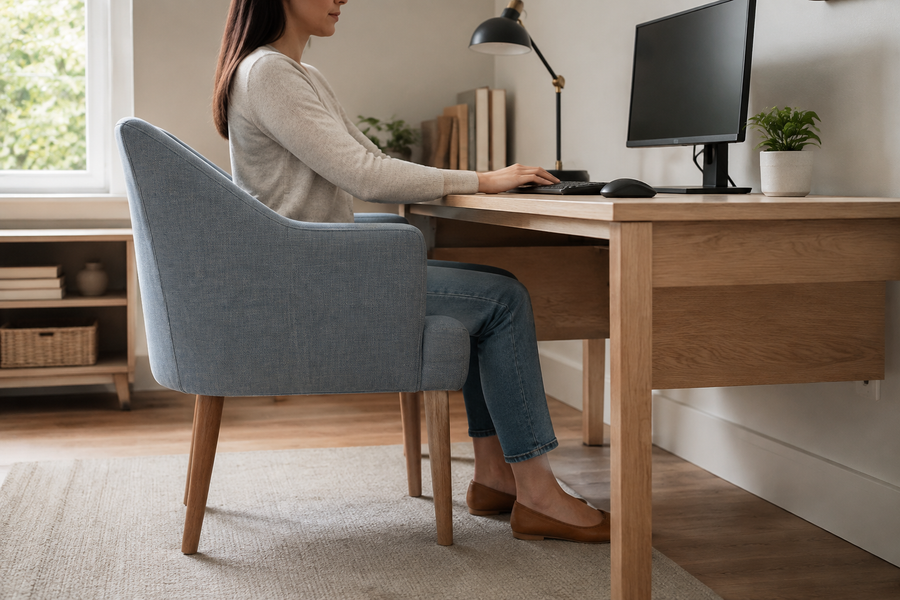
Flat or hard seats tend to compress the glutes and encourage pelvic tucking. A lack of proper lumbar support forces poor posture, putting strain on the spine and weakening muscles over time.
Movement Deficiency
A sedentary lifestyle without regular movement or exercise causes glute muscles to atrophy. This further worsens posture and increases discomfort during long sitting periods.
Potential Signs and Symptoms of Office Chair Butt: Are You Affected?
Recognizing the early signs of office chair butt is crucial for timely intervention. These symptoms reflect how prolonged sitting and inactive glute muscles impact your body. If you notice any of the following, you may already be experiencing early-stage office chair butt symptoms.
Numbness and Tingling in Buttocks and Legs
One of the most common signs of office chair butt is numbness or tingling after sitting for long periods. Prolonged pressure compresses nerves and restricts blood flow, leading to discomfort in the buttocks and legs.
If ignored, this can gradually develop into more persistent nerve irritation or even pain.
Visible Posture Changes (Anterior Pelvic Tilt)
A key indicator of developing office chair butt is a noticeable change in posture. Weak glutes combined with tight hip flexors can cause the pelvis to tilt forward excessively.
This leads to:
-
An exaggerated lower back curve
-
Poor spinal alignment
-
Increased strain on the lumbar region
Chronic Lower Back Pain After Sitting
If you frequently experience lower back pain after sitting, it may be linked to an office chair's butt.
When glute muscles are inactive, they fail to support the pelvis and spine properly. As a result, surrounding muscles compensate, leading to stiffness, fatigue, and ongoing discomfort that affects daily productivity.
Glute Weakness Test: Can You Balance on One Leg?
A simple way to check for office chair butt-related weakness is the single-leg balance test.
If you struggle to stand steadily on one leg for several seconds, it may indicate:
-
Weak glute muscles
-
Poor pelvic stability
-
Increased risk of joint strain or injury
This is often an early warning sign that your muscles are no longer properly supporting your posture.
Preventing Office Chair Butt
Take Regular Movement Breaks
Sitting for hours without moving compresses muscles and reduces circulation. Stand up and stretch every 30–60 minutes to improve blood flow and relieve pressure on your glutes and lower back.
Incorporate Glute Activation Exercises
Simple exercises like bridges, squats, or standing leg lifts can help re-engage weakened gluteal muscles and prevent atrophy caused by prolonged sitting.
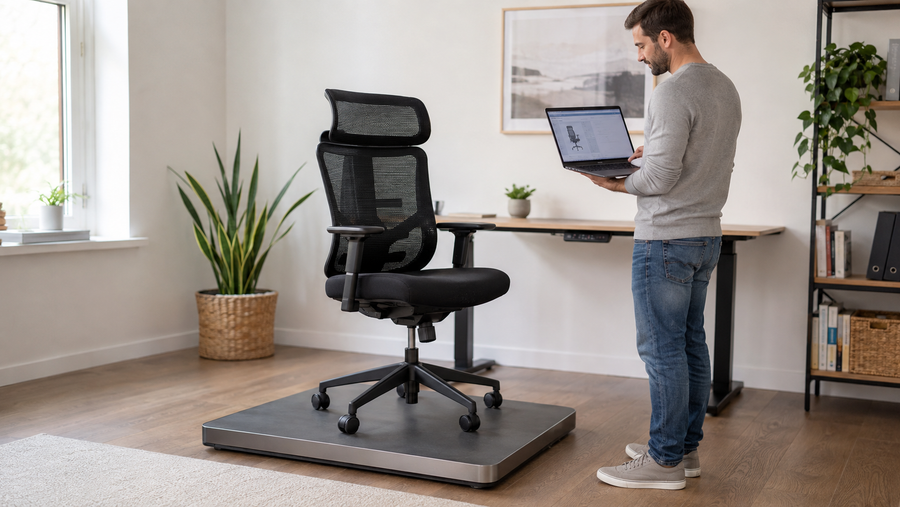
To further reduce the risk of office chair butt, you can also incorporate a standing desk into your daily routine. Alternating between sitting and standing helps activate muscles, improve circulation, and relieve pressure on your glutes and lower back.
Using a height-adjustable standing desk such as OdinLake S2 Standing Desk allows you to stay more active throughout the day, making it an effective complement to exercise and ergonomic seating.
Improve Sitting Posture
Keep:
-
Feet flat
-
Hips slightly above knees
-
Back upright
Use an Ergonomic Chair with Proper Support
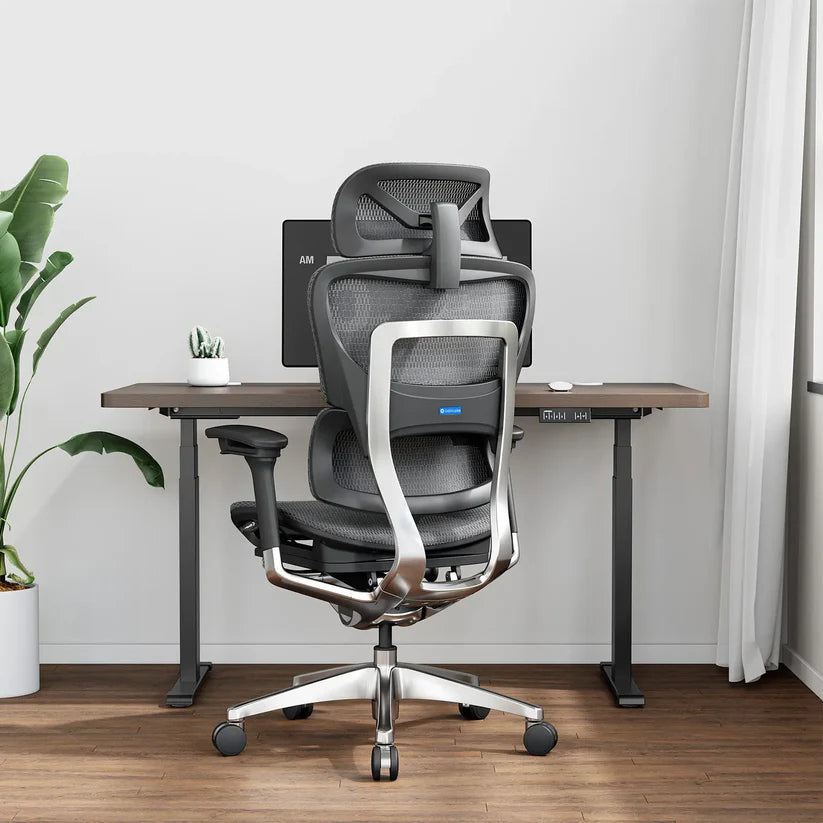
Investing in a well-designed ergonomic desk chair, such as the OdinLake O3 (Ergo BUTTERFLY 753) can significantly reduce pressure on your tailbone and promote spinal alignment. The OdinLake O3 (Ergo BUTTERFLY 753) features dynamic lumbar support and a contoured seat cushion that helps distribute body weight evenly, reducing the risk of numbness and discomfort.
Add a Seat Cushion or Change Sitting Surfaces
If an ergonomic chair isn't an option, using a coccyx cushion or memory foam seat pad can relieve pressure on sensitive areas and support better posture.
Adjust Your Workstation
Ensure your desk height, monitor position, and keyboard placement allow for a neutral sitting position. Poor workstation ergonomics can worsen posture and muscle fatigue.
Stay Hydrated and Maintain Muscle Health
Proper hydration supports muscle function and circulation. Combined with a balanced diet rich in anti-inflammatory foods, it can further reduce pain and stiffness from sitting.
The Best Five Choices for You
If you’re starting to feel the effects of “office chair butt,” investing in the right chair or cushion can make a world of difference. Whether you're working long hours at a desk or gaming for extended periods, the following chairs and seat cushions are designed to enhance posture, reduce pressure, and support your lower body throughout the day.
OdinLake O3 (Ergo BUTTERFLY 753)
The OdinLake O3 (Ergo BUTTERFLY 753) is designed to reduce pressure on your lower back and glutes by providing targeted lumbar support that adapts to your spine’s natural curve, helping prevent muscle weakening and discomfort caused by prolonged sitting.
Key Features:
- Split-panel butterfly backrest with 5 height levels for targeted lumbar support, reducing fatigue
- WireControl™ armrest lets you adjust posture easily while seated
- Adjustable seat height and depth relieve pressure on hips and thighs
- Recline angle locks between 90° and 135° to vary sitting positions
- Breathable mesh reduces heat and prevents sweat discomfort
- Smooth, silent wheels enable effortless repositioning without strain

OdinLake O2 Ergonomic Office Chair
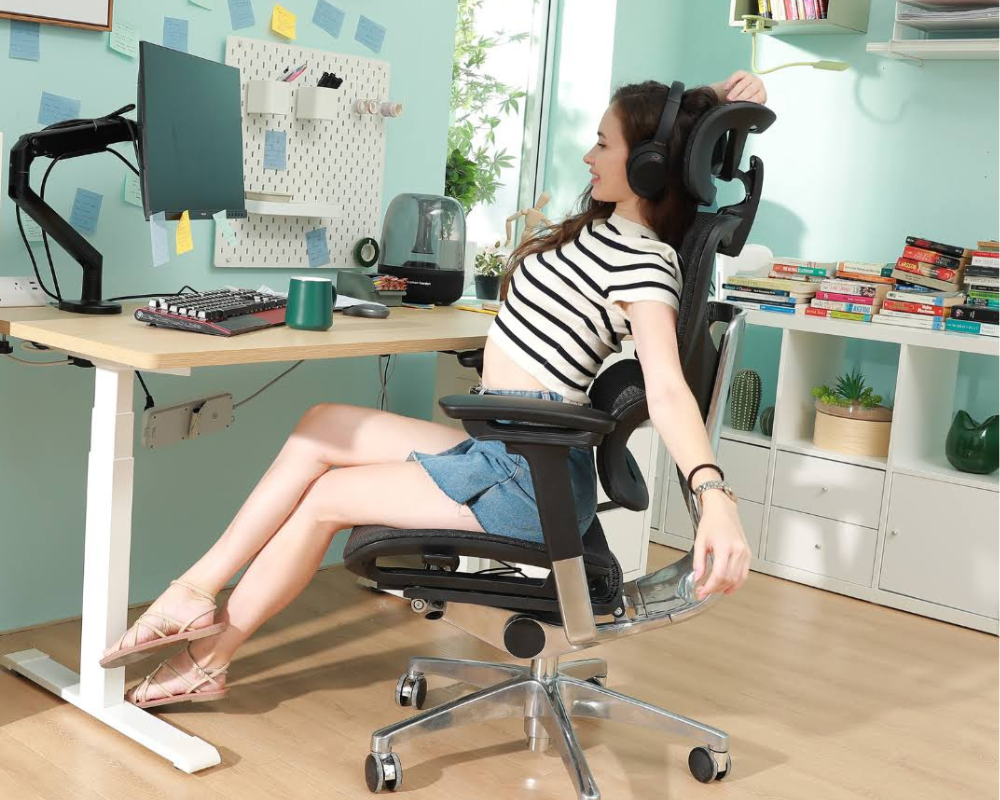
The OdinLake O2 Ergonomic Office Chair is designed to deliver targeted support for users dealing with office chair butt caused by long hours of sitting. Combining ergonomic engineering with breathable materials, it helps reduce pressure on the glutes and lower back while promoting healthier posture throughout the day.
Its adaptive support system and balanced seat design make it an excellent choice for preventing discomfort, improving circulation, and maintaining productivity in sedentary work environments.
Key Features:
-
Dynamic lumbar support system adapts to your spine, reducing lower back strain linked to office chair butt
-
Ergonomic seat cushion design distributes pressure evenly across hips and thighs
-
Breathable mesh backrest improves airflow and prevents heat buildup during long sitting sessions
-
Adjustable armrests, seat height, and tilt allow personalized ergonomic positioning
- Recline function with multiple lock positions encourages movement and reduces stiffness

Steelcase Amia Office Chair
The Steelcase Amia Office Chair is designed for long hours of seated work, offering adaptive LiveLumbar™ support that flexes with your spine to relieve pressure on your lower back and gluteal area. Its contoured seat cushion helps reduce discomfort associated with “office butt,” making it ideal for maintaining comfort and posture during extended desk time.
Key Features:
- LiveLumbar™ system adjusts dynamically to support spinal alignment
- Flexible seat edge relieves pressure under thighs and glutes
- Thick seat cushion with responsive foam enhances long-term sitting comfort
- Adjustable arms (height, width, pivot, depth) support healthy arm positioning
- Built with high-durability materials for daily ergonomic performance

Cushion Lab Pressure-Relief Seat Cushion
This seat cushion is designed to relieve tailbone pressure and redistribute weight away from the coccyx, reducing numbness and pain in the buttocks caused by prolonged sitting, and promoting healthier pelvic alignment.
Key Features:
- U-shaped cutout reduces pressure on the tailbone and coccyx
- Memory foam contours support hips and thighs evenly
- Non-slip base prevents sliding and maintains correct posture
- Portable design suitable for office chairs, cars, or wheelchairs
- Supports posture correction to relieve lower back discomfort

Sleepavo Memory Foam Seat Cushion
The Sleepavo cushion offers orthopedic support to ease pressure on the coccyx and lower back, helping reduce pain and inflammation associated with sciatica and muscle weakness from extended sitting.
Key Features:
- Ergonomic U-shape design relieves tailbone and lower back pressure
- Dual-layer foam with cooling gel improves comfort and reduces heat
- Washable cover and non-slip base ensure hygiene and stability
- Lightweight and portable for use in various seating environments
- Recommended for users suffering from sciatica and office chair butt symptoms

FAQ
How quickly do symptoms appear?
Numbness can develop within two weeks of poor sitting. Muscle weakening speeds up after six weeks without action.
Can an office chair butt cause lasting damage?
If untreated, it may lead to chronic sciatica and permanent posture problems. Early care can prevent this.
Are standing desks a full solution?
Standing desks help, but aren’t enough alone. Combine them with movement breaks and good footwear.
What is the most effective stretch?
The seated piriformis stretch: cross the ankle over the opposite knee, lean forward for 20 seconds, and repeat 3 times hourly.
How to choose chair firmness?
Medium-firm cushions (50-60 kg/m³) balance support and comfort without cutting off circulation.
Summary
Office chair butt is more than just a quirky term; it signals a real health concern rooted in modern sedentary lifestyles. Caused by prolonged sitting and inactivity, this condition leads to gluteal muscle weakening, posture imbalances, and lower back pain that can seriously impact comfort and productivity. Recognizing early symptoms, understanding the underlying causes, and adopting proactive solutions, like movement routines and ergonomic seating, can help reverse or prevent this issue. With the right awareness and tools, you can protect your body and boost your long-term well-being, even in a desk-bound work environment.
Read more: