Small spaces don't mean small possibilities. Learn how to build a productive, ergonomic home office setup — no matter how limited your square footage is.
The right ergonomic setup should adapt to your body, support frequent movement, and stay comfortable through a full workday.
Small spaces don't mean small possibilities. In fact, limited space often forces us to be more intentional about how we work, live, and organize our surroundings. A few extra square feet might seem insignificant, but when your desk doubles as a dining table and your workspace shares a room with your bed, every inch matters. Creating a productive home office isn't about having more space. It's about using your space better.
Why Small Spaces Create Bigger Work Challenges
When every area serves multiple purposes, boundaries disappear. Your workspace blends into your living space, clutter accumulates faster, and even simple tasks like pulling out a chair or finding a place for your backpack can become daily frustrations.
Common challenges include:
- Limited room for dedicated work furniture
- Visual clutter that affects focus
- Difficulty maintaining healthy posture in compact setups
- Lack of storage for everyday essentials
- Furniture that only works for one activity
Over time, these small inconveniences add up, making it harder to stay productive and comfortable throughout the day.
Three Principles for Building a Better Small-Space Workspace
1. Choose Furniture That Can Adapt
In a small home, every piece of furniture needs a purpose. Choose products that support different activities instead of being limited to just one use. A workspace should be able to transition effortlessly between focused work, studying, dining, gaming, or relaxing. The more adaptable your setup is, the less space you need to dedicate to separate furniture.
2. Prioritize Movement, Not Just Comfort
A small apartment shouldn't limit the way you work. A comfortable workspace is not just about having a cozy chair, but also having enough room to move. Make sure you can stand up easily, slide your chair under the desk, and change positions throughout the day.
3. Reduce Visual Noise
Physical clutter creates mental clutter. When space is limited, exposed cables, jackets, bags, and accessories quickly make a room feel crowded. Keeping surfaces clean and organizing everyday items helps create a calmer, more focused atmosphere. A clean workspace often feels larger than it actually is.
From Desk to Chair: Storage Matters Too
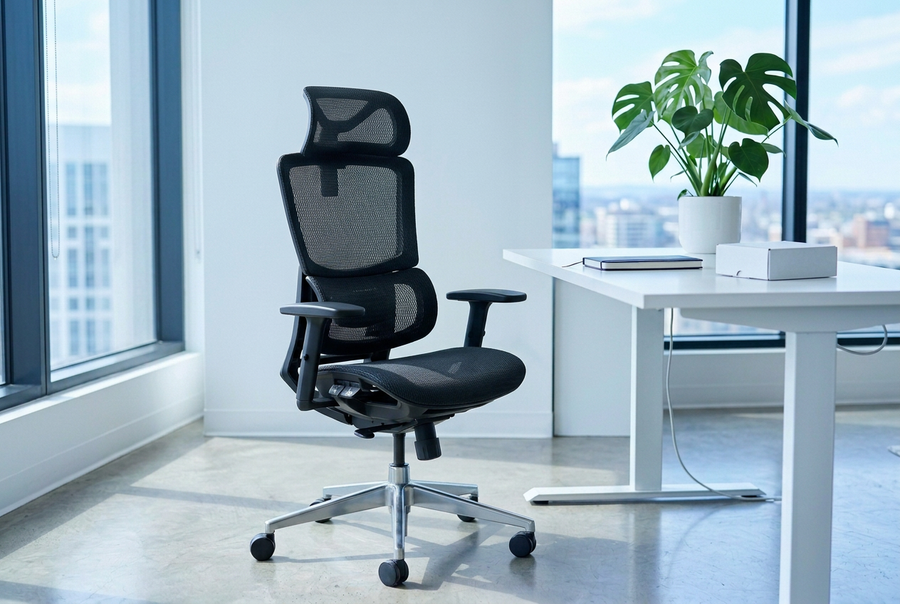
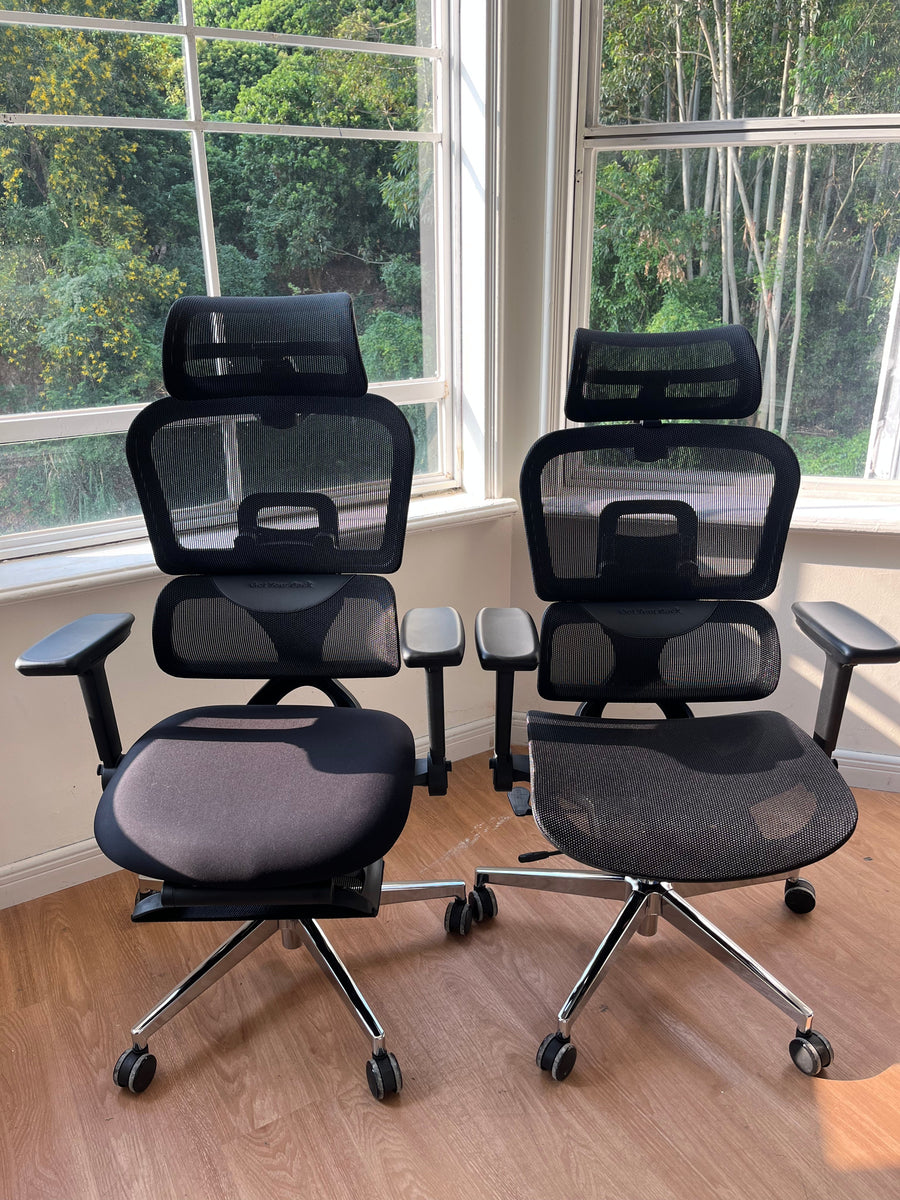
When it comes to saving space, most people think about adding more shelves, drawers, or cabinets. But the furniture you use every day can also help you create a more organized home. Your chair takes up valuable floor space, so choosing one with smart, space-saving features can make a noticeable difference in a compact workspace.
Details like flip-back armrests that let the chair tuck neatly under your desk, a built-in hanger for jackets or bags, and a compact design that keeps your workspace open can help you make the most of every inch.
In a small apartment, the best furniture doesn't just fit your space. It helps you create more of it.
Our Perspective
At OdinLake, we don't see small spaces as limitations. We see them as design challenges worth solving. The best furniture doesn't simply fit into a room, it helps people get more from it. That's the thinking behind the OdinLake L3, designed to adapt to modern living and make the most of every inch.