The right ergonomic setup should adapt to your body, support frequent movement, and stay comfortable through a full workday.
During a workday, the way you load a chair keeps changing. You settle into the seat to type, lean back to read, turn toward another screen, and stand up between tasks. A padded seat needs to accommodate those changes as well as feel pleasant when you first sit down.
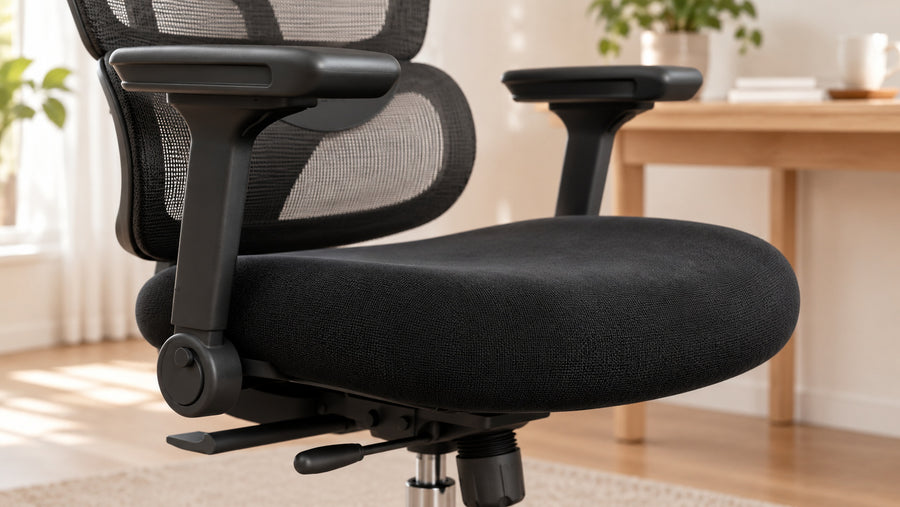
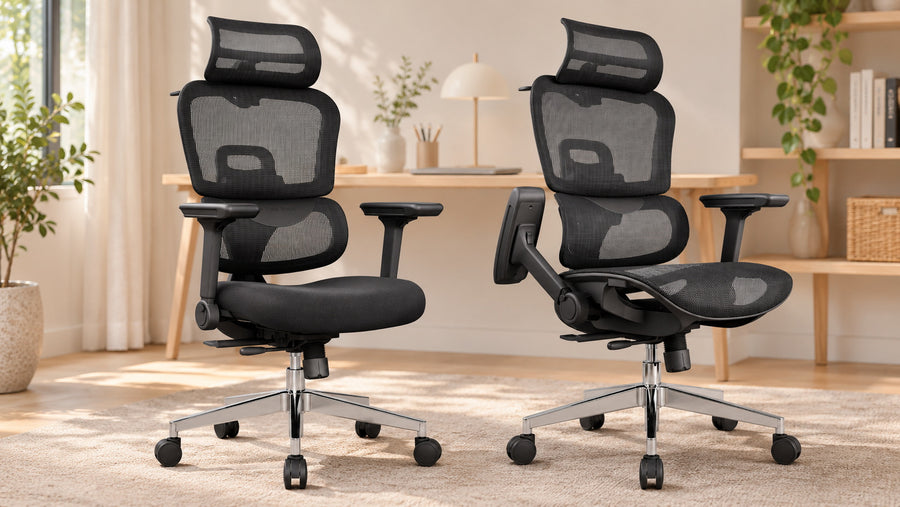
The OdinLake L3 CozyCloud combines a high-resilience foam core with smooth, yoga-inspired fabric. Its design pairs a soft contact surface with responsive cushioning, giving people who prefer padding an alternative to a suspended mesh seat.
To understand that choice, it helps to look at what the cushion does while carrying your weight, how it responds when you move, and what recovery means once you stand up.
A Cushion Needs to Give as You Settle In
Foam cushioning works by compressing beneath a load. Some movement into the seat is therefore expected: the cushion gives your body room to settle instead of placing you directly on a rigid base.
With CozyCloud, the padded construction provides a fuller sitting surface for people who find taut seating too firm. Its purpose is to make contact with the seat feel cushioned while retaining a responsive feel beneath you.
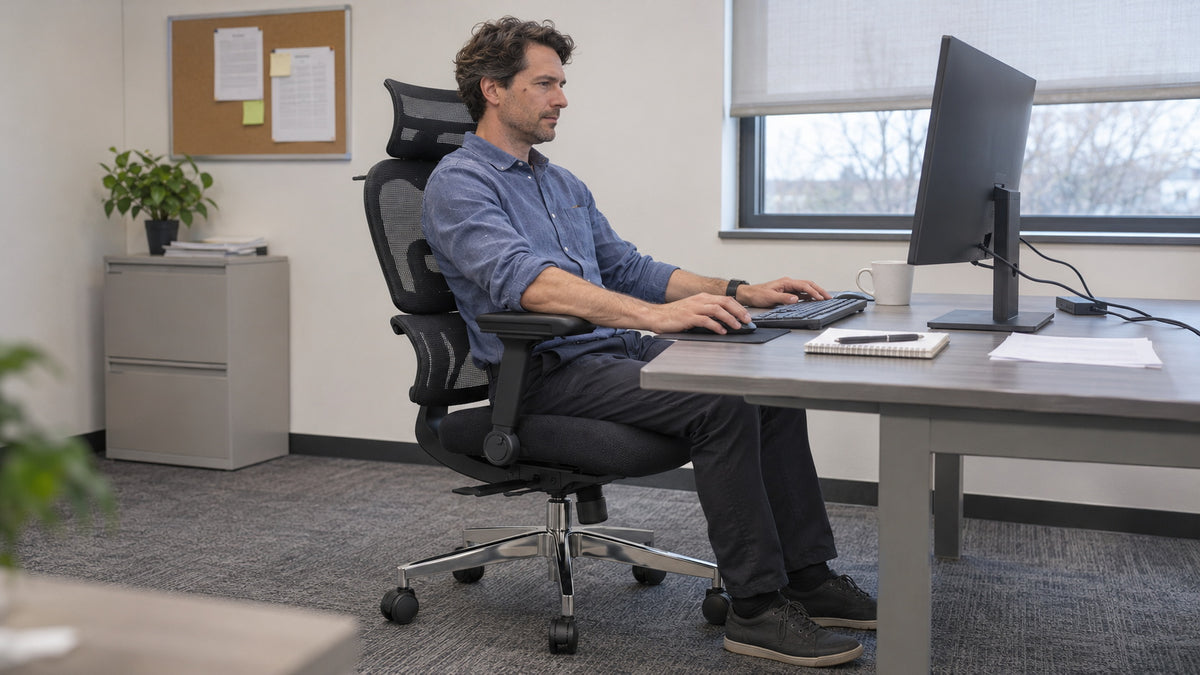
Consider sitting down to write a document. You want to settle into a comfortable position, bring your hands to the keyboard, and get on with the task. A cushion that suits you should not require repeated shifting before you find somewhere comfortable to sit.
The important distinction is between compression that provides cushioning and sinking that you personally find excessive. Those are different experiences, even though both involve the seat changing shape under your weight.
If you enjoy a padded surface but dislike a deeply enveloping seat, pay attention to where you finish settling. Do you feel comfortably supported, or do you wish you were sitting higher on the cushion? That preference helps explain why the same seat can suit one person better than another.
What High-Resilience Foam Contributes
Resilience describes the springy response of foam. It is different from simply calling a cushion soft, firm, thick, or dense. The Polyurethane Foam Association treats resilience and firmness as separate performance characteristics.
In the L3 CozyCloud, high-resilience foam is used to combine cushioning with bounce-back. The intended feel is padded and responsive, rather than a surface chosen only for how deeply it lets you sink.
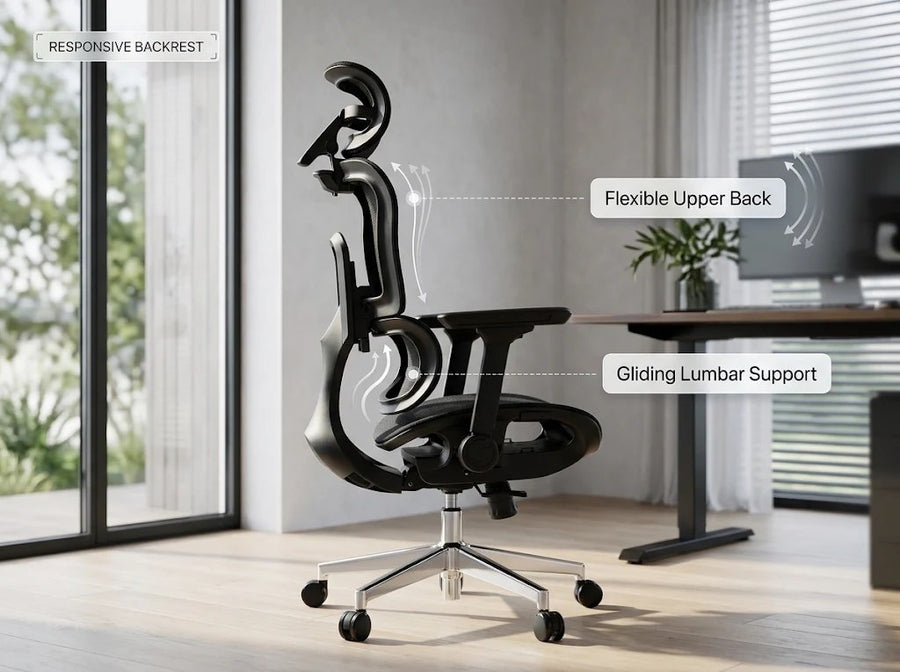
That response matters when your weight shifts. Leaning back changes how you meet the seat; returning to the keyboard changes it again. A useful way to assess CozyCloud is to notice whether the cushion feels comfortable through those ordinary transitions.
You do not need to hold one posture to make the seat work. Nor should a springier feel be mistaken for a hard seat. The cushion can yield when loaded while still providing resistance as you settle into it.
For someone replacing a thinly padded chair, this is a more useful feature to consider than appearance alone. A substantial-looking seat is appealing, but how it responds while you move tells you more about whether you enjoy using it.
The Fabric and Foam Have Different Jobs
CozyCloud’s yoga-inspired fabric forms the surface you touch. Its smooth, flexible feel is part of the immediate experience of the seat. The foam beneath it supplies the cushioning.
Separating those roles helps when judging a padded chair. You may like the fabric against your clothing but prefer a different level of give underneath. Or you may enjoy the cushioning while finding a particular surface texture less appealing.
Think about the clothing you normally wear at your desk. A seat tried briefly in heavy jeans can feel different when used in lighter trousers at home. When possible, assess the contact surface in conditions that resemble your normal workday.
The cover also has its own appearance. A fold in the fabric after sitting is not the same observation as a lasting change in the cushion underneath. Looking at the upholstery alone can make it difficult to tell which part you are noticing.
For CozyCloud, consider the two layers together: whether you enjoy the surface contact and whether the cushioning feels comfortable once your full weight is on the seat. Neither judgment requires choosing the softest possible option.
What Changes After You Stand Up?
When the load is removed, foam can recover from compression. That recovery is part of why high-resilience cushioning is relevant to a chair used repeatedly throughout the day.
Temporary changes after sitting should be distinguished from a persistent hollow or a noticeable loss of support. For a broader explanation of that difference, see why office chair cushions go flat.
CozyCloud’s material description explains its responsive design; it does not mean that the surface must remain visually unchanged at every moment. You also do not need to judge the cushion against an invented deadline for returning to shape.
During normal use, the more relevant question is whether the seat continues to feel comfortable when you return to it. A new hard spot or a persistent change beneath one hip is more informative than a passing crease in the fabric.
If you prefer a padded seat, CozyCloud offers that experience within the L3 platform. Choose it for its combination of soft fabric contact and responsive foam cushioning, then judge comfort through the work and position changes you actually make. Continue taking your normal opportunities to stand and move throughout the day.
FAQ
Is high-resilience foam the same as memory foam?
The terms are not interchangeable. High-resilience foam emphasizes a springy response, while memory foam is commonly associated with slower recovery. CozyCloud is described as high-resilience foam, so it should not be presented as a memory-foam seat.
Does a high-resilience cushion have to feel bouncy?
Not necessarily in the way that word suggests. The complete seat combines foam, upholstery, shape, and a supporting base. Look for a comfortable response when you settle and move, rather than expecting a pronounced bouncing sensation.