The right ergonomic setup should adapt to your body, support frequent movement, and stay comfortable through a full workday.
An office chair collects dust, sweat, body oils, and occasional spills through daily use. Over time, this buildup can affect its appearance, comfort, and cleanliness. Knowing how to clean an office chair properly helps maintain the upholstery and extend its usable life.
Different materials require different care. This article covers practical office chair cleaning methods for mesh, fabric, leather, and hard surfaces, along with ways to remove stains, control odors, and avoid common cleaning mistakes.
Quick Answer: How Do You Clean an Office Chair?
Vacuum loose dust and debris first, then check the chair's care instructions. Spot-test an appropriate cleaner before gently wiping the upholstery, armrests, frame, and wheels. Use minimal moisture, follow the correct method for mesh, fabric, or leather, and let the chair dry completely before sitting on it. Avoid harsh chemicals, abrasive brushes, and soaking the upholstery.
Why Should You Clean Your Office Chair?
Regular cleaning prevents dust, body oils, and other debris from accumulating on frequently used surfaces. It also helps maintain the chair's appearance and reduces unnecessary material wear.
Maintain a Cleaner Workspace
Office chairs collect dust, pet hair, food crumbs, and sweat, particularly around the seat, backrest, and armrests. Removing these contaminants regularly helps maintain a cleaner working environment.
Protect Chair Materials
Accumulated dirt can become embedded in fabric and mesh, while unsuitable cleaners may damage leather finishes or upholstery fibers. Gentle maintenance helps preserve these materials without unnecessarily stressing their surfaces.
How Often Should You Clean an Office Chair?
| Cleaning Type | Recommended Frequency | Main Tasks |
| Light cleaning | Weekly | Vacuum dust, remove hair, wipe armrests |
| Spot cleaning | Immediately after spills | Blot liquids and treat fresh stains |
| Thorough cleaning | Every 1–3 months, or as needed | Clean upholstery, frame, and wheels |
| Inspection | During regular cleaning | Check mesh, seams, casters, and controls |
Visible stains, unpleasant odors, sticky armrests, and dust trapped in mesh are signs that cleaning may be needed sooner. Follow the manufacturer's recommended schedule when available.
How to Clean an Office Chair Step by Step
The basic cleaning office chair process works across most materials, but cleaning products and moisture levels must be adjusted according to the upholstery.

Step 1: Check the Material and Care Instructions
Identify whether your chair has mesh, fabric, leather, plastic, or metal surfaces. Review the manufacturer's instructions and any upholstery cleaning code before selecting a solution.
Common codes include W for water-based cleaners, S for water-free solvents, WS for either approved method, and X for vacuuming or brushing only. Manufacturer-specific directions take priority.
Step 2: Gather Your Cleaning Supplies
Prepare a vacuum with a soft brush attachment, microfiber cloths, water, and a cleaner approved for your chair material. A soft-bristled brush may help remove stubborn debris when the upholstery permits it.
Avoid bleach, ammonia, stiff brushes, and concentrated detergents unless the manufacturer explicitly approves them.
Step 3: Vacuum Dust and Debris
Vacuum the seat, backrest, headrest, seams, and underside using gentle pressure. Pay particular attention to gaps where crumbs and hair accumulate.
For mesh upholstery, move the attachment carefully to avoid catching or stretching fibers. Regular vacuuming also makes subsequent stain treatment easier.
Step 4: Spot-Test the Cleaning Solution
Apply a small amount of cleaner to an inconspicuous area. Allow the spot to dry before checking for discoloration, stiffness, or texture changes.
If the surface changes, stop using that product and consult the chair's care instructions.
Step 5: Clean the Upholstery
Use an appropriate cleaner and a well-wrung microfiber cloth to wipe the upholstery gently. Blot stains rather than scrubbing, and avoid saturating the seat or padding.
Cushioned seats need particular attention because moisture can become trapped beneath their covers. Knowing how to clean chair cushions properly helps prevent excess moisture from reaching the underlying foam.
Step 6: Wipe the Frame, Armrests, and Wheels
Clean compatible plastic and metal surfaces with a lightly dampened cloth. Remove hair and debris around the casters using tweezers or another suitable small tool.
Apply cleaning solution to the cloth rather than spraying directly onto controls, joints, or moving mechanisms.
Step 7: Let the Chair Dry Completely
Blot remaining moisture with a dry towel and leave the chair in a ventilated area. A fan can improve airflow without exposing the upholstery to excessive heat.
Do not sit on the chair until its surface and any damp padding are completely dry.
How to Clean Different Office Chair Materials
Although the general cleaning process is similar, each material requires specific precautions. Matching the method to the upholstery helps prevent damage while removing everyday dirt.
How to Clean a Mesh Office Chair
How to clean a mesh office chair without damaging its breathable structure is a common concern. Mesh allows air to circulate, but its openings can collect dust, hair, and body oils.
Start by vacuuming the mesh seat and backrest with a soft brush attachment. Clean both accessible sides where possible, paying attention to edges and areas near the frame.
If the manufacturer permits water-based cleaning, mix a few drops of mild dish soap with warm water. Dampen a microfiber cloth, wring it thoroughly, and gently wipe the mesh. For localized stains, dab the affected area instead of scrubbing aggressively.
Remove soap residue with a second lightly dampened cloth. Then clean the surrounding frame and armrests separately before leaving the chair to air-dry.
To deep clean a mesh office chair, pay particular attention to areas where sweat and body oils accumulate, including the seat center and lower backrest. Repeat gentle cleaning when necessary rather than soaking the material.
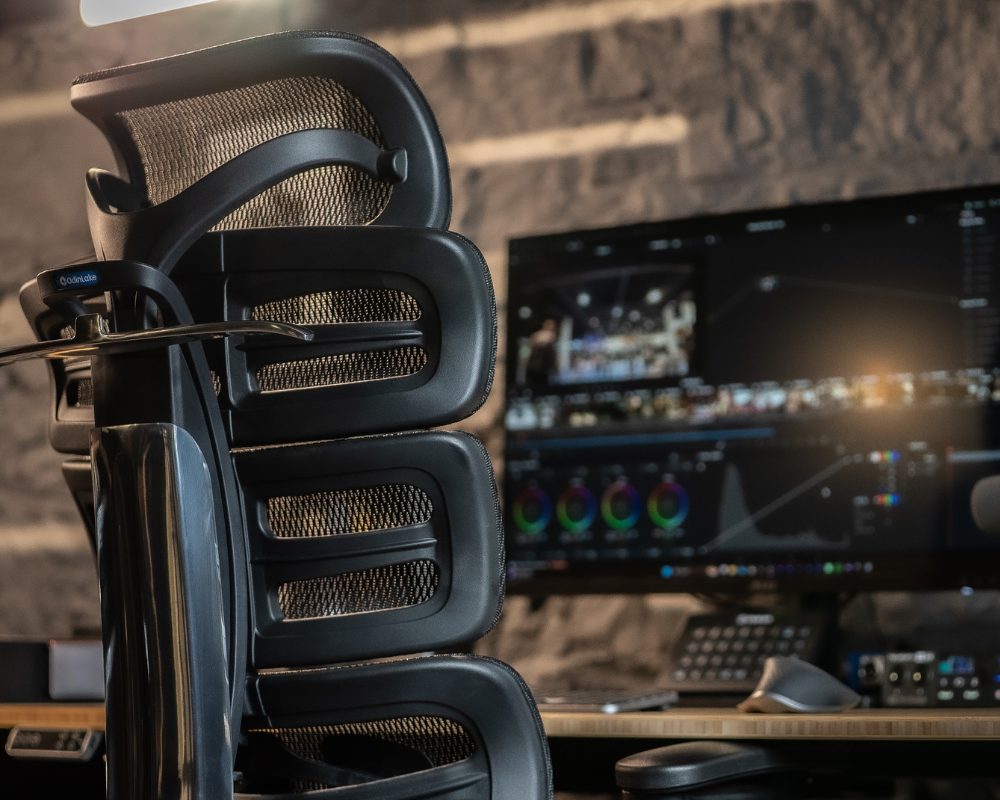
Regular care is especially important for breathable mesh office chairs, including the OdinLake O2 Ergo MAX 747. Its FlexBreath mesh seat and backrest benefit from regular vacuuming and gentle spot cleaning to prevent dust and body oils from accumulating.

How to Clean a Fabric Office Chair
For how to clean office chair fabric, start by checking the upholstery code. Some fabrics tolerate water-based cleaners, while others require solvent-based treatment or vacuuming only.
Vacuum thoroughly and blot fresh stains with a clean towel. If water-based cleaning is permitted, apply a small amount of diluted mild cleaner to a cloth and gently treat the affected area.
Remove residue according to the care instructions and allow the fabric and underlying padding to dry completely. Avoid excessive rubbing or moisture, which may spread stains or become trapped in the cushion.
How to Clean a Leather Office Chair
To clean a leather office chair, remove dust using a soft, dry cloth. Follow with a leather-safe cleaner approved for the chair's specific finish.
Apply the product to a cloth rather than directly to the leather, then wipe gently. Remove any remaining residue and dry the surface as instructed.
Some finished leathers benefit from occasional conditioning, but not all leather types require it. Check the manufacturer's instructions before applying conditioners, oils, or protective products.
Avoid bleach, alcohol-based products, excessive water, and prolonged direct sunlight, which may damage certain leather finishes.
How to Clean Plastic and Metal Chair Parts
Plastic armrests, chair bases, and compatible metal frames are generally easier to maintain than upholstered surfaces. Wipe them with a microfiber cloth lightly dampened with an approved mild solution.
Dry metal components afterward, especially around screws, joints, and adjustment controls. Never spray liquids into the gas lift, tilt mechanism, or other internal parts.

How to Remove Office Chair Stains and Odors
Different stains require different treatments. Acting quickly often prevents spills from becoming harder to remove.
Coffee and Drink Stains
Immediately blot the spill with a clean, absorbent cloth. Avoid rubbing because it can spread liquid and push it deeper into the upholstery.
For water-cleanable fabric or mesh, use a small amount of approved mild cleaner. Work gently from the outside toward the center, then remove residue and allow the surface to dry.
Sweat and Body Oil Stains
Sweat and body oils commonly accumulate around the seat and backrest. Over time, they may leave darker patches or unpleasant odors.
To get stains out of a mesh office chair, vacuum first, then dab the affected area with a manufacturer-approved cleaner. Avoid concentrated detergents or abrasive tools that could damage the mesh fibers.
How to Remove Sweat Smell From a Mesh Chair
Start by vacuuming the mesh to remove loose particles. When water-based cleaning is approved, wipe affected areas with a lightly dampened cloth and mild soap solution.
Remove residue and allow the chair to dry completely in a well-ventilated room. Persistent odors may require a manufacturer-approved upholstery deodorizer or professional cleaning.
Cleaning removes sweat and dirt, while disinfecting serves a different purpose. Understanding how to disinfect an office chair safely helps prevent unsuitable chemicals from damaging the upholstery.
Pet Hair and Dust
Use a vacuum with a soft upholstery attachment to lift pet hair and dust from the backrest, seat, and seams. A gentle lint brush may help with fabric, provided it does not catch or pull the material.
Regular cleaning is especially useful in homes where pets frequently share the workspace.
How to Keep Your Office Chair Clean Longer
Small maintenance habits can reduce the need for frequent deep cleaning.
-
Vacuum regularly: Remove surface dust and crumbs before they settle into upholstery.
-
Address spills immediately: Blot liquids promptly to reduce staining.
-
Limit food around the chair: Keep crumbs and greasy residue away from the seat.
-
Manage pet hair: Remove accumulated hair before it becomes embedded in mesh or fabric.
-
Inspect moving parts: Check for debris around wheels and adjustment mechanisms.
-
Allow complete drying: Avoid sitting on damp upholstery after cleaning.
Keeping food, drinks, and unnecessary clutter away from your ergonomic desk with chair setup helps reduce spills, dust buildup, and frequent cleaning.
When maintaining ergonomic chairs, follow the care instructions for each surface rather than relying on a single cleaning solution. For the OdinLake O3 Ergo BUTTERFLY 753, the FlexBreath mesh backrest and seat require gentle cleaning, while the armrests and frame should be wiped separately with material-appropriate products.
Common Office Chair Cleaning Mistakes to Avoid
Even well-intentioned cleaning can damage upholstery when unsuitable products or methods are used.
Using harsh chemicals: Bleach, ammonia, and strong solvents may damage certain mesh fibers, fabrics, or surface finishes.
Over-wetting upholstery: Excess moisture can remain trapped in foam or padding, potentially causing persistent odors and material damage.
Skipping the spot test: Applying an unfamiliar cleaner directly to a visible area can cause discoloration or texture changes.
Scrubbing aggressively: Stiff brushes and excessive pressure may fray fabric, stretch mesh, or scratch leather finishes.
Disassembling chair mechanisms: Cleaning should generally focus on accessible surfaces. Follow product-specific assembly instructions before removing parts, and seek support for damaged or malfunctioning components.
FAQs About Cleaning an Office Chair
What Is the Best Way to Clean an Office Chair?
Vacuum loose debris, check the upholstery care instructions, and spot-test an appropriate cleaner. Wipe gently using minimal moisture, clean the frame and wheels separately, and allow everything to dry completely.
How Do You Clean a Mesh Office Chair Without Damaging It?
Vacuum with a soft attachment, then gently wipe the mesh using a lightly dampened microfiber cloth and approved mild cleaner. Avoid soaking, aggressive scrubbing, and harsh chemicals.
How Do You Get Sweat Smell Out of a Mesh Office Chair?
Vacuum the seat and backrest, clean affected areas with an approved solution, and allow thorough ventilation. Persistent odors may require an upholstery-safe deodorizer or professional cleaning.
How Do You Deep Clean a Mesh Office Chair?
Remove dust from the mesh, seams, and frame. Spot-treat stains, wipe water-cleanable surfaces with a mild solution, and remove residue. Clean the armrests and wheels separately, then let everything dry completely.
How Do You Remove Stains From an Office Chair?
Blot fresh stains immediately and identify the upholstery material before choosing a cleaner. Use gentle spot treatment on approved surfaces, avoiding excessive moisture and rubbing.
Can You Use Alcohol Wipes on an Office Chair?
Only use alcohol wipes on surfaces where the manufacturer explicitly permits them. Alcohol may damage certain leather finishes, plastics, coatings, and upholstery materials.
How Do You Clean Office Chair Wheels?
Remove hair and debris around the casters using tweezers or a suitable tool. Wipe accessible surfaces with a slightly damp cloth, dry them, and follow the manufacturer's instructions for any disassembly.
Can You Machine-Wash Office Chair Cushions?
Only if the manufacturer specifically identifies the cover as machine-washable. Many office chair cushions have fixed padding or nonremovable covers, making approved spot cleaning the safer option.
Conclusion
Learning how to clean an office chair helps maintain its appearance, comfort, and condition. Whether your chair uses mesh, fabric, or leather, the key is choosing a material-appropriate cleaner, avoiding excessive moisture, and allowing complete drying.
Regular vacuuming, prompt stain treatment, and occasional thorough cleaning can make maintenance easier while preserving the chair's everyday performance.